Smart Tips for Finding the Right Emergency Dentist Ventura

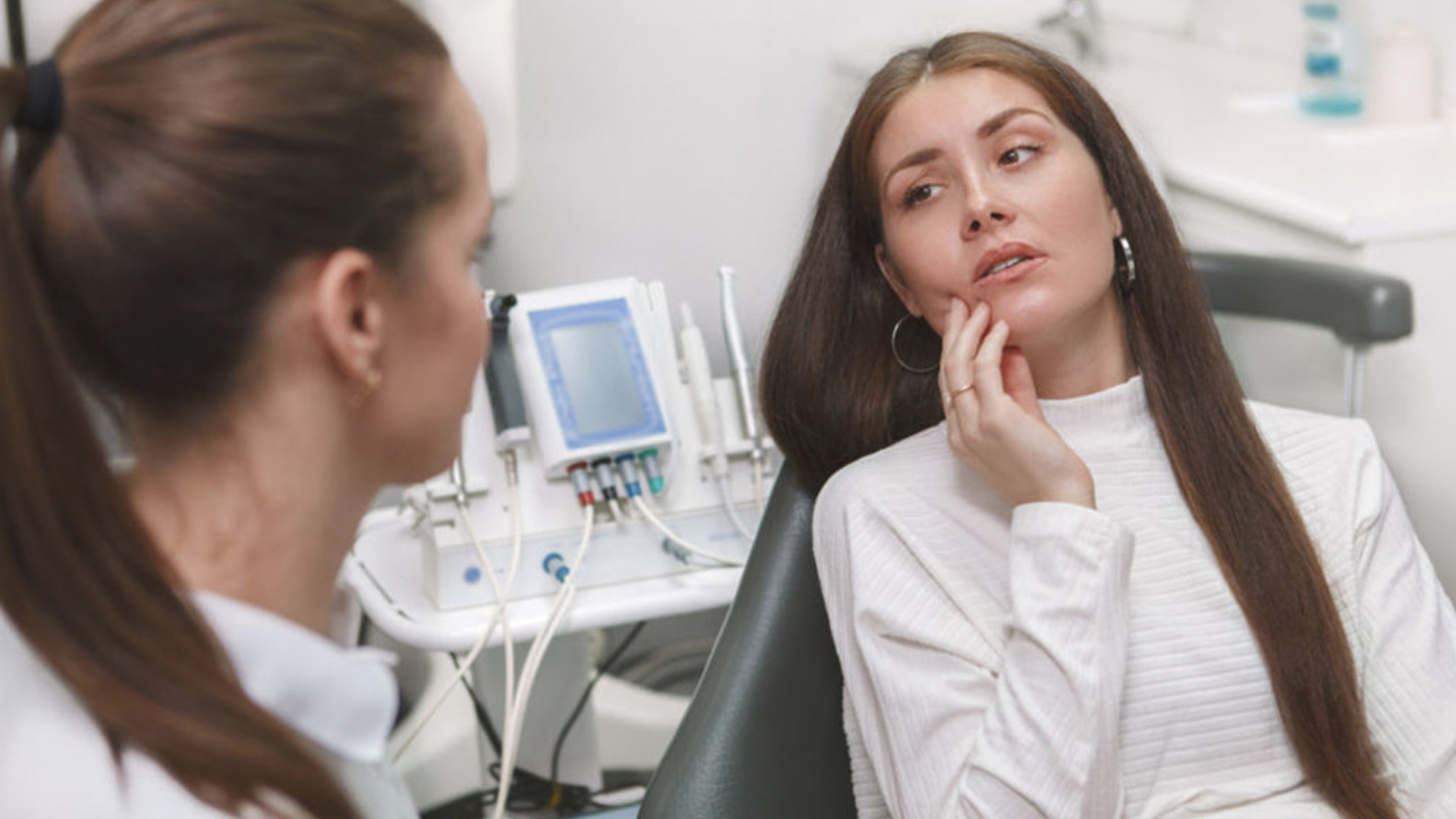

A dental emergency has a way of shrinking the world down to one urgent question: who can help right now, and can you trust them? When you are dealing with a cracked molar, a knocked-out tooth, facial swelling, or pain sharp enough to stop you mid-sentence, you do not want to scroll through endless listings and gamble on the first office with a nice logo.
Finding the right emergency dentist Ventura residents can rely on is partly about speed, but speed alone is not enough. The best choice is the one that combines rapid access with sound clinical judgment, clear communication, fair financial policies, and the ability to handle the specific problem in front of you. That may sound like a lot to sort through while you are holding an ice pack against your cheek, but a few practical filters make the process much easier.
Over the years, one pattern shows up again and again in urgent dental situations: people often focus first on availability, then discover too late that the office they chose is not equipped for the problem they have. A same-day appointment helps, of course. Still, if the practice cannot diagnose the issue properly, cannot manage pain effectively, or cannot coordinate follow-up care, you may end up making two emergency visits instead of one. The goal is to avoid that spiral.
What counts as a real dental emergency
Not every tooth problem is an emergency, but many are more time-sensitive than people realize. Severe tooth pain that wakes you up, swelling in the gums or face, bleeding that will not stop, trauma from a fall or sports injury, a lost crown with exposed sensitive tooth structure, and signs of infection such as fever or a foul taste in the mouth all deserve prompt attention.
There is also a practical middle ground that gets overlooked. A chipped tooth with no pain might wait a day or two. A chipped tooth with a jagged edge cutting your tongue, or a fracture running toward the gumline, should not. A filling that falls out during lunch may seem minor, yet if the tooth underneath is already weakened, waiting through a long weekend can turn a repairable problem into a root canal or extraction.
The hardest cases for patients to judge are infections. Dental infections do not always start dramatically. Sometimes it begins as a throbbing ache or tenderness when chewing. Then swelling appears, pressure builds, and the pain starts to radiate toward the ear or jaw. Once facial swelling enters the picture, timing matters. An office that offers urgent evaluation the same day is worth prioritizing.
The first filter is availability, but ask one better question
Most people search for an emergency dentist Ventura offices advertise as open now, same-day, or after-hours. That is sensible, but the better question is not simply “Are you open?” It is “Can you treat my specific issue today?”
That distinction matters. Some offices can evaluate and prescribe, but they may not be set up to perform a more involved procedure the same day. Others can handle trauma, extractions, root canal access, and temporary restorations in one visit if the case calls for it. If you are in pain, the difference is enormous.
When you call, describe the problem in one or two direct sentences. Say when it started, whether there is swelling, whether the tooth is https://laneqytb866.brightpathdigest.com/posts/how-an-emergency-dentist-ventura-can-save-your-smile-quickly broken or knocked out, and whether you have fever, bleeding, or trouble biting. A capable front desk team should ask follow-up questions, not just offer a slot on the schedule. If the conversation feels rushed or vague, take note. In emergencies, a well-run office often reveals itself before you even walk through the door.
Look for calm triage, not panic marketing
Some dental websites lean hard on urgency. They use dramatic language, promise instant relief for every problem, or imply that every toothache demands immediate intervention. That approach can be useful for getting attention, but it is not a sign of clinical quality.
A stronger sign is calm, specific triage. Good emergency practices explain what they commonly handle, how quickly they can usually see patients, and what symptoms need immediate attention. They give practical advice for the time between your call and your arrival, such as storing a knocked-out tooth properly, controlling bleeding with gauze, or using a cold compress for swelling.
That kind of guidance reflects real experience. Offices that regularly manage emergencies know that a few minutes of good instruction can preserve a tooth, reduce complications, and help the visit go more smoothly.
How to judge an office in the first five minutes on the phone
You can learn a surprising amount from a single call. In urgent care, operational details matter because they often reflect how the clinical side runs too. If the person answering the phone seems organized, listens carefully, and gives clear next steps, that is a good sign. If they sound confused about basic logistics, you may be walking into avoidable delays.
A useful mental checklist includes just a few points:
- Do they ask about swelling, bleeding, trauma, or fever?
- Can they tell you whether the dentist can evaluate and possibly treat the problem the same day?
- Are they clear about fees for the emergency exam, X-rays, and likely next steps?
- Do they explain what to bring, including insurance information, medication lists, or a knocked-out tooth if applicable?
- Do they give immediate care advice before your appointment?
These questions are not meant to interrogate the staff. They simply help you separate a true emergency-ready office from one that only uses the phrase for marketing. An experienced team usually answers with confidence and without sounding rehearsed.
Why experience matters more than a polished waiting room
Patients often remember the visible parts of a dental office: the decor, the coffee station, the sleek branding. During an emergency, those things barely matter. What matters is whether the dentist has seen enough acute problems to make fast, sound decisions under pressure.
That kind of experience shows up in subtle ways. An experienced clinician can usually tell the difference between pain coming from a cracked tooth, a failing filling, a gum abscess, sinus-related pressure, grinding-related inflammation, or a nerve issue that will likely require root canal treatment. They know when a temporary measure is appropriate and when postponing definitive care would be a mistake.
It also matters because dental emergencies are not always straightforward. A patient may come in convinced the upper right molar is the problem, only to learn the real source is a lower tooth referring pain upward. Someone else may think a crown just came loose when the actual problem is fracture underneath the crown margin. Good emergency care depends on accurate diagnosis first, treatment second.
Technology helps, but judgment matters more
Digital X-rays, intraoral cameras, and 3D imaging can be extremely helpful in urgent dentistry. They allow the dentist to see fractures, infections, bone loss, and hidden decay with more clarity than a visual exam alone. If an office is well equipped, that often improves efficiency and decision-making.
Still, technology is a tool, not a substitute for judgment. Some emergencies are obvious on an image. Others are not. Tiny cracks may not show clearly at first. Nerve irritation can produce intense pain before major radiographic changes appear. Bite-related trauma may be diagnosed more through symptoms and exam findings than through imaging alone.
A good practice uses technology to support the clinical picture, not to overstate it. If the explanation you receive is precise and understandable, that is a strong sign you are in capable hands. If the office recommends major treatment without clearly connecting the findings to your symptoms, it is fair to ask more questions.
Payment clarity is not a luxury during urgent care
When people are in pain, they often agree to treatment before they fully understand the costs. Later, frustration sets in, especially if the emergency visit turns into several phases of care. Transparent financial communication is one of the clearest signs of a professional office.
Ask what the emergency exam typically includes. In many practices, that means an exam, any necessary X-rays, diagnosis, and a discussion of immediate options. It does not always include treatment. If treatment is needed the same day, ask for a range before work begins. Even an estimate is better than a surprise.
This is especially important for procedures that branch in different directions. A painful tooth may need a sedative filling, a root canal, an extraction, or referral to a specialist depending on the findings. Each option has different costs and different long-term implications. A reliable emergency dentist Ventura patients return to is usually one who explains those trade-offs honestly instead of pushing the highest-ticket choice in the heat of the moment.
Insurance matters, but not as much as access and competence
Insurance can narrow your options, but it should not be the only filter during a genuine dental emergency. If you have severe pain, swelling, or trauma, getting timely, competent care may be more important than finding the perfect in-network match that can see you three days later.
That does not mean costs are irrelevant. It means priorities should be ordered correctly. In urgent cases, the first step is often diagnosis and stabilization. Once the immediate issue is under control, you can decide whether to continue treatment there, transfer records to an in-network office, or pursue a specialist referral if needed.
A common mistake is assuming every office handles insurance the same way. Some submit claims as a courtesy but expect payment at the visit. Others can estimate patient responsibility more accurately up front. Some offer financing for larger procedures. A brief conversation with the front desk can save a lot of confusion later.
Red flags that deserve a second thought
Not every dental office that offers emergency appointments is prepared to deliver strong emergency care. A few warning signs are worth taking seriously, especially when you are making a quick decision.
- They guarantee a specific treatment before examining you.
- They cannot explain basic pricing for the exam and common diagnostics.
- They minimize swelling, trauma, or infection symptoms over the phone.
- They push extensive elective work during an urgent pain visit.
- They are vague about follow-up care after the immediate problem is addressed.
The strongest red flag is overpromising. Dentistry is diagnostic first. No honest clinician can tell you over the phone, with certainty, whether you need a filling, root canal, crown, extraction, or simply an adjustment. They can tell you what is likely, what is urgent, and what they can evaluate that day. That is the level of confidence you want.
Local practicality matters in Ventura
Ventura presents its own practical considerations. Traffic patterns, work schedules, school pickups, and distance from the office all matter more when you are in pain. An office across town may look ideal online, but if getting there adds 40 stressful minutes and you may need a return visit, a closer option can be the better choice.
Parking is another small detail that becomes a big detail fast when you are dealing with swelling or facial pain. Easy parking, accessible entry, and a straightforward check-in process can lower the stress level considerably. For parents, the question may be whether the office can see a child quickly and whether they are comfortable managing pediatric dental injuries until a pediatric specialist is available, if one is needed.
Ventura’s active outdoor lifestyle also means trauma cases are common enough to think about specifically. A surfing fall, skateboard spill, or sports collision creates a different kind of emergency than a lingering toothache. If the issue involves a knocked-out or displaced tooth, ask whether the office has experience with dental trauma and whether they can splint or stabilize teeth if necessary.
What to do before you get to the office
The period between the incident and the appointment can affect the outcome. A few simple steps are often useful, and they are the kind of advice a solid emergency office should reinforce when you call.
For practical reference:
- If a tooth is knocked out, hold it by the crown, not the root, and keep it moist in milk or saliva if possible.
- For swelling, use a cold compress on the outside of the face in short intervals.
- For bleeding, apply firm pressure with clean gauze.
- Avoid placing aspirin directly on the gums, it can irritate tissue.
- Bring any broken tooth fragments, dental appliances, and a list of medications.
These measures are not substitutes for treatment, but they can reduce damage and help the dentist act faster once you arrive. Timing is especially important for avulsed teeth, deep fractures, and active infection.
The best emergency visit ends with a clear next step
A good emergency appointment does more than stop pain for the afternoon. It leaves you with a clear understanding of what happened, what was done, what still needs attention, and what timeline makes sense. That is the part many patients do not think to evaluate, yet it strongly predicts whether the office is truly dependable.
Sometimes definitive treatment can happen right away. Sometimes it cannot. A swollen tooth may need to be stabilized first and treated fully after the acute inflammation settles. A broken front tooth may receive a temporary repair, with final bonding or a crown later. A difficult extraction may require referral to an oral surgeon. None of that is a problem if the plan is clear.
What you want to hear is a realistic roadmap. Not a flood of jargon, not vague reassurance, and not pressure. Just a straightforward explanation of what the diagnosis appears to be, what was done today, what symptoms should improve, what warning signs require a call back, and what the next appointment should accomplish.
Reviews can help, if you read them the right way
Online reviews are imperfect, but they can still tell you useful things. Do not focus only on the star rating. Read for patterns. In emergency cases, the most meaningful comments often mention responsiveness, same-day access, pain management, kindness under stress, and whether the office explained options clearly.
A single complaint about waiting 20 minutes may not matter. Multiple reviews describing poor communication, surprise charges, or rushed treatment probably do. Likewise, glowing praise that sounds generic is less helpful than a review that describes a specific situation, like a weekend tooth fracture, a child with a dental injury, or an abscess handled quickly and professionally.
One of the most reassuring types of review is from a patient who says some version of, “I called in pain, they got me in fast, they explained exactly what was happening, and I left with a plan.” That tells you much more than comments about decor or music in the lobby.
Why bedside manner is not a minor detail
When patients are scared, they do not always process information well. Pain narrows attention. Anxiety makes time feel strange. A dentist who communicates calmly, checks that you understand, and does not make you feel embarrassed for waiting too long to come in can change the entire experience.
This is not just about comfort. It affects outcomes. Patients who understand their diagnosis and aftercare are more likely to follow instructions, return for necessary follow-up, and avoid repeat emergencies. That is why the right emergency dentist Ventura families recommend often earns that trust through communication as much as technical skill.
A seasoned dentist also knows when to slow down. A patient with severe anxiety may need a few extra minutes to settle in, review options, or discuss numbness concerns before treatment begins. During urgent care, that patience is not wasted time. It is part of good care.
Finding the right office before you need one
The easiest emergency is the one you prepare for before it happens. If you live or work in Ventura, it is worth identifying a local office now rather than during a midnight search with a throbbing jaw. Save the number, check their hours, and read enough to know whether they truly handle urgent cases.
That small bit of preparation pays off. People who already know which office to call move faster, ask better questions, and tend to make calmer decisions. They are also more likely to choose based on fit and competence rather than desperation.
If you already have a general dentist, ask a direct question at your next routine visit: how does your office handle after-hours emergencies, and who do you refer to when you cannot see patients immediately? The answer may give you everything you need. If it does not, start looking now, while the stakes are low.
The right emergency dental care is not always the fanciest option, the cheapest listing, or the first ad that appears in search results. It is the office that can assess your problem quickly, treat what needs treating, explain what comes next, and do all of it with steadiness. When pain hits hard, that combination matters far more than a polished website ever will.
Avra Dental
1708 S Victoria Ave B, Ventura, CA 93003, United States
Phone: +1 805-765-3206
FAQ About Emergency Dentist Ventura
Can the ER do anything for tooth pain?
An emergency department can assess serious symptoms and provide temporary relief, but definitive dental treatment usually requires a dentist. Trouble breathing or swallowing, uncontrolled bleeding, or swelling spreading into the neck requires emergency medical care.
What do I do if I have a dental emergency and no dentist?
Contact a local emergency dental practice promptly, explain your symptoms, and ask about the earliest available assessment. Avra Dental provides emergency dentistry in Ventura; call to confirm availability. If you have life-threatening symptoms or a serious facial injury, go to an emergency department or call 911.
What do I do if tooth pain is unbearable?
Seek urgent dental assessment rather than waiting for the pain to pass. While arranging care, gently rinse with warm water and avoid placing aspirin directly on the tooth or gums. Severe pain with trouble breathing or swallowing, rapidly spreading swelling, or uncontrolled bleeding needs immediate emergency medical care.